Designing Modular Housing for the Realities of LIHTC Development
Since 1986, the Low-Income Housing Tax Credit (LIHTC) program has been the primary financing tool for Affordable Housing in the US – building nearly 4 million units.
Using modular construction for LIHTC-funded housing projects — because of its materially lower cost and timelines — can deliver twice as many units for every federal tax dollar invested in the LIHTC program. As such, many LIHTC developers are turning to modular to secure more awards. This post covers how LIHTC works, why modular is a great fit for tax credit projects, and how Model/Z is primed to help LIHTC developers realize cost and timeline savings with multiple LIHTC-compliant modular unit layouts.
How LIHTC financing shapes the project
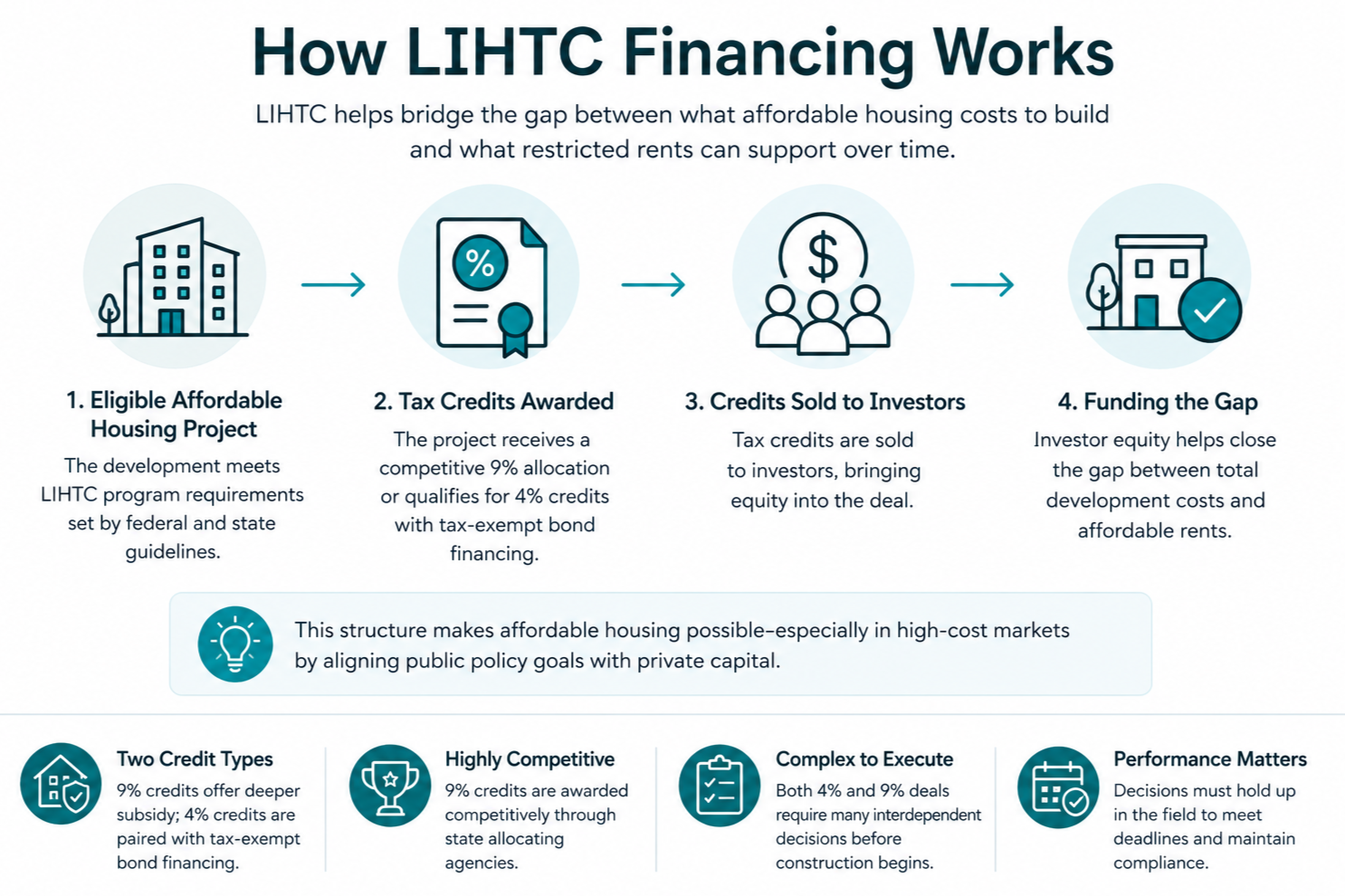
90% of affordable housing in the United States is built using LIHTC – roughly 130,000 units per year. Qualified projects receive tax credits that are typically sold to investors, and the equity raised helps close the gap between what affordable housing costs to build and what restricted rents can support over time. That structure is what makes many affordable projects possible, especially in high-cost markets.
LIHTC projects fall into two categories: 9% credits, which are more competitive and provide a larger subsidy, and 4% credits, which are commonly paired with tax-exempt bond financing and used for larger multifamily projects that need multiple funding sources to pencil. Both require hundreds of decisions before construction begins, and both depend on those decisions holding up once the project moves from paper into the field.
For developers who have primarily built market-rate housing, LIHTC introduces layers of compliance, reporting, and coordination that affect every phase of the project, not just operations. Unit mix, square footage, income targeting, accessibility standards, and placed-in-service deadlines all have downstream effects on financing.
Why construction risk becomes deal risk
In Southern California, affordable housing developers are already working against expensive land, high labor costs, long entitlement timelines, limited public resources, and rising insurance and operating costs. By the time a project gets financed, there is very little room for change orders and project delays.
LIHTC projects carry a placed-in-service deadline, the date by which the project must be substantially complete and available for occupancy to qualify for the credits. Missing that deadline can require a developer to re-apply for a credit allocation, which may not be available, or result in recapture of credits already syndicated. That makes construction schedules a compliance issue, not just a project management issue.
Where modular construction fits in
When more of the building process moves into a controlled factory environment, developers can reduce weather exposure, improve quality control, and allow site work and unit production to move at the same time. On the right project, that helps reduce schedule risk and gives the team more control over delivery.
Modular is not automatically a solution just because it can be faster. A unit designed for market-rate apartments or other affordable housing projects may not fit a LIHTC project without significant changes. Affordable housing built using LIHTC has specific requirements around unit mix, accessibility, durability, utility coordination, inspection pathways, and long-term operations. Those details affect whether a project can be financed, approved, built, leased, and operated successfully. For modular to work well in LIHTC development, it has to be designed around those requirements from the start.
How Model/Z Can Support LIHTC Projects
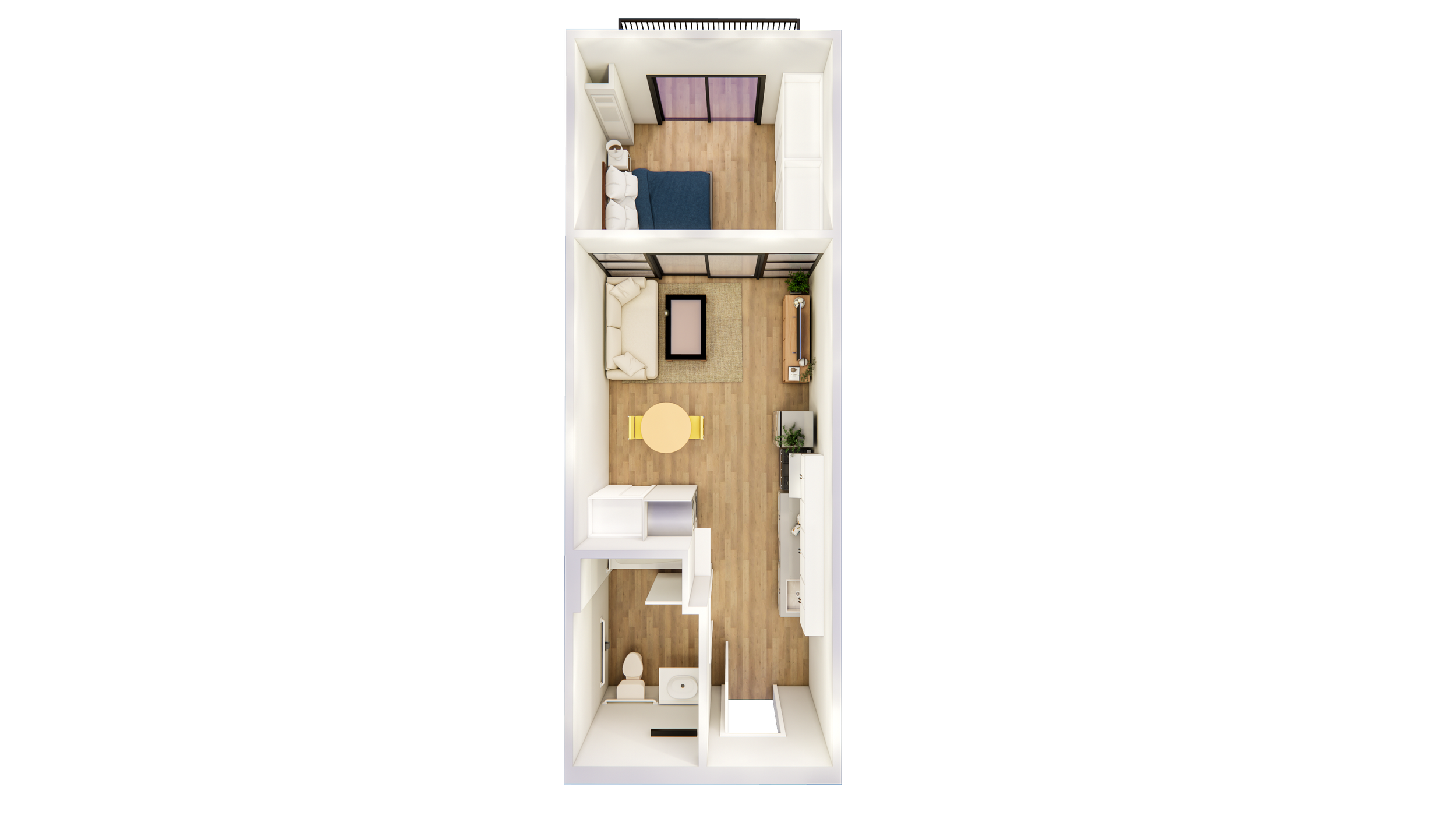
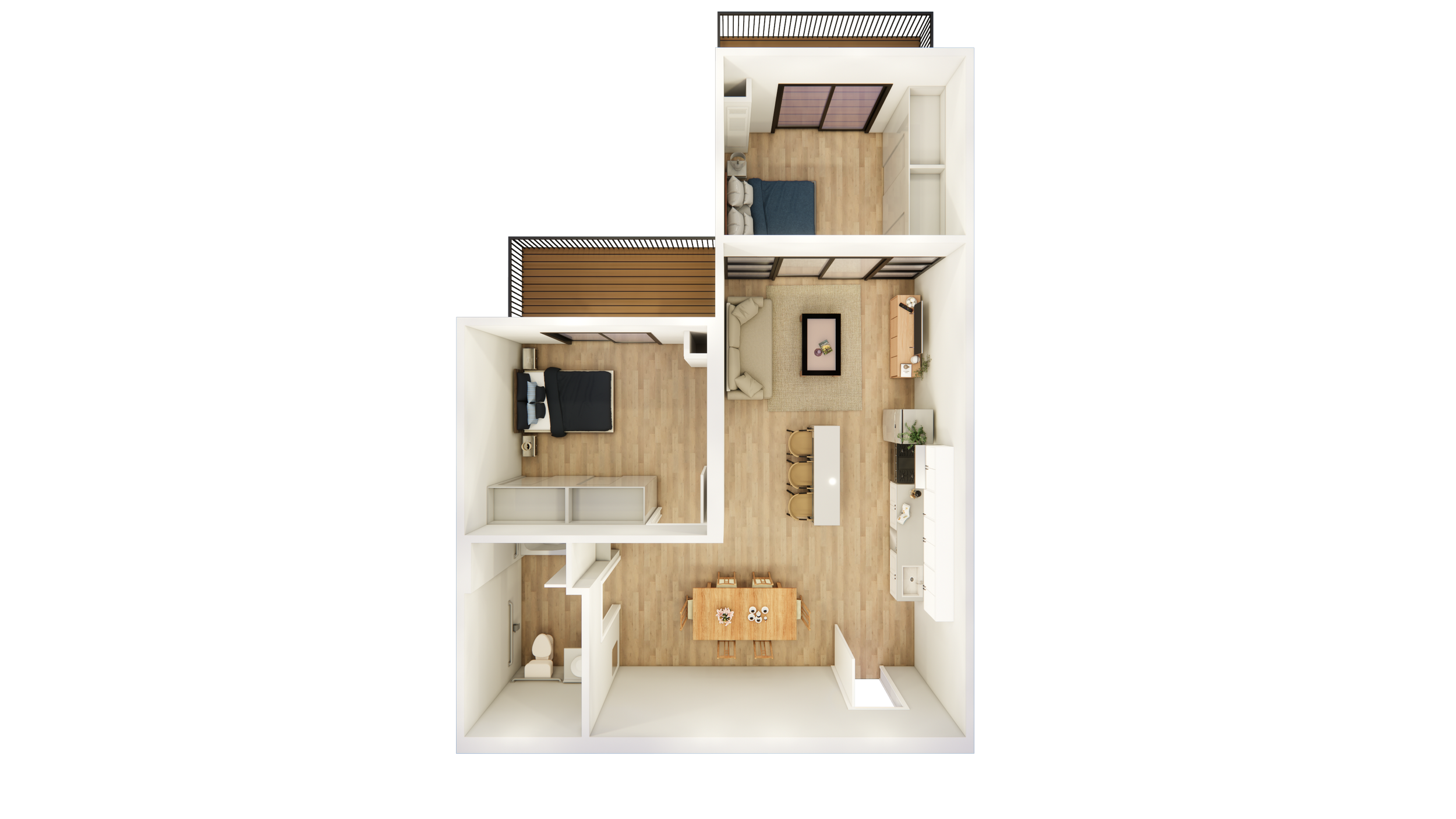
Model/Z has designed and built multiple modular unit layouts specifically for LIHTC-driven multifamily development, with the dimensional, programmatic, and delivery requirements of 4% and 9% credit deals in mind. That means thinking about unit planning, accessibility, repeatability, schedule control, budget discipline, and long-term performance before the project is already under pressure.
What comes next
The first Model/Z LIHTC unit is complete and on-site at our Los Angeles factory. In the coming weeks, we will be revealing the unit to the public and speaking more about how it supports affordable housing teams working in high-cost markets like Southern California.
If you are a developer exploring LIHTC for the first time or evaluating whether modular fits your next project, we would love to connect. Email the Model/Z team at info@model-z.com for more information.